
From Forest to Field.
LEARN WITH US
as we explore
the connection between
soil, plants & microbes
and the
biological processes that support resilient growth.
LIVING VINEGAR
ACV - Derived from naturally occurring yeasts & bacterial cultures.
SOLUBLE CALCIUM
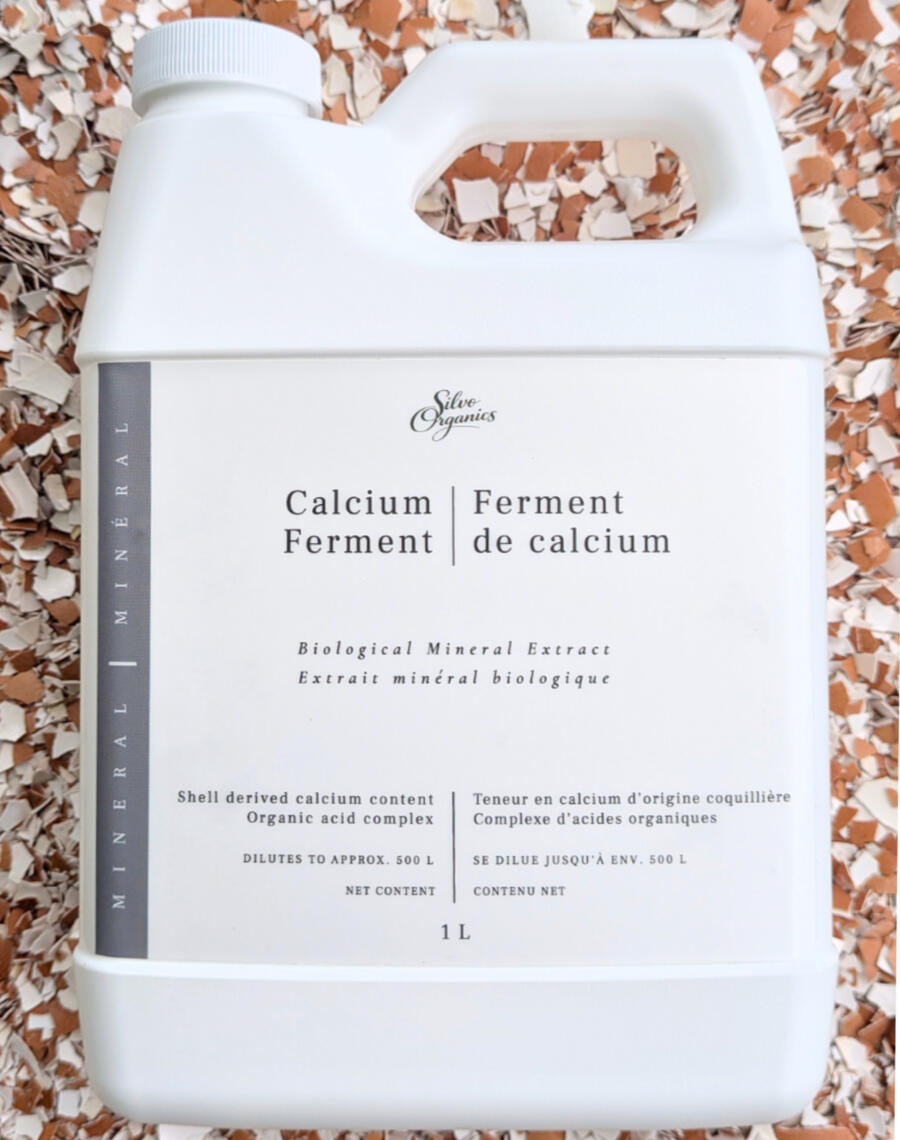
WCA - Derived from Free Range Eggshells sourced from local bakeries as part of our waste diversion program for clear input traceability.
KELP EXTRACT
WCA - Derived from Free Range Eggshells sourced from local bakeries as part of our waste diversion program for clear input traceability.
CHAMOMILE FERMENTED PLANT EXTRACT
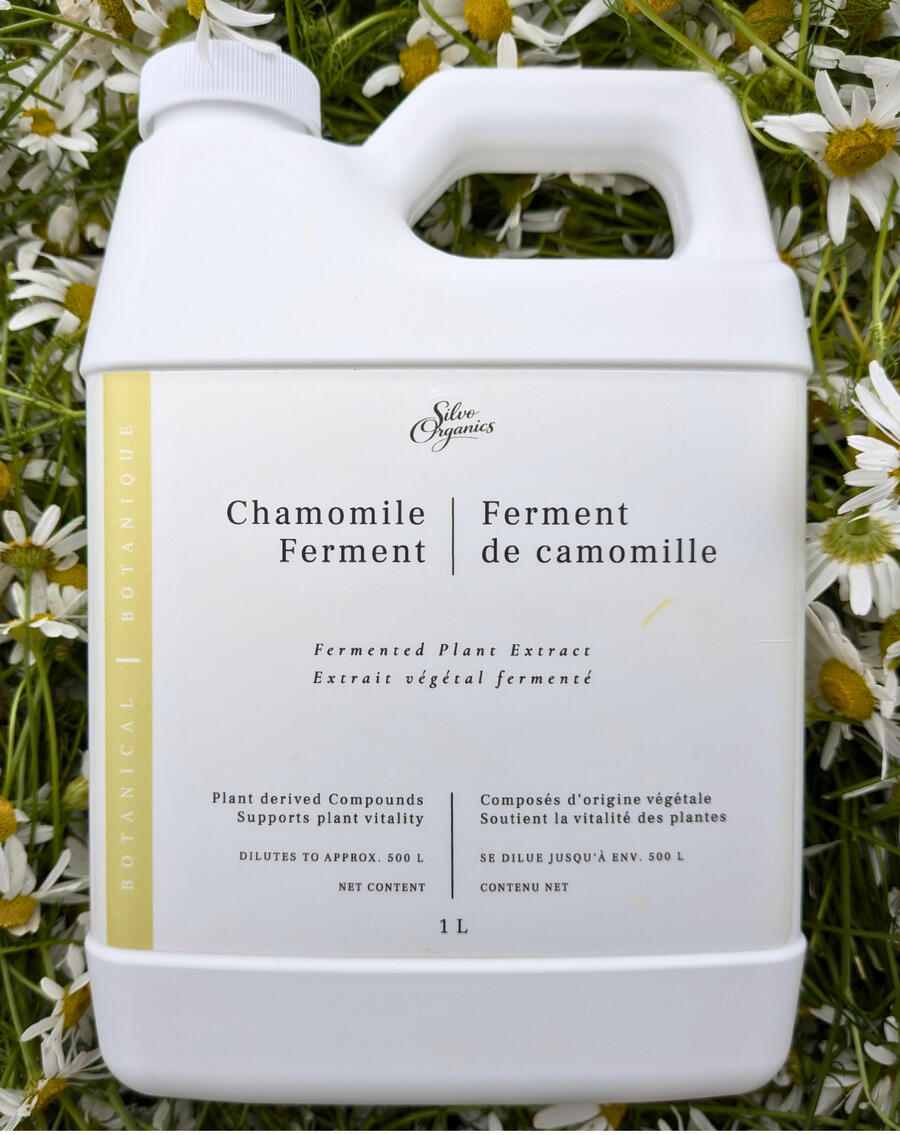
Derived from fresh chamomille grown on our farm in living soil for a full expression of flowering compounds.
PUMPKIN FERMENTED PLANT EXTRACT
L
NETTLE FERMENTED PLANT EXTRACT
L
WILLOW FERMENTED PLANT EXTRACT
L
for input availability:

LIVING VINEGAR
FUNCTION & ROLE
L
L
L
L
L
L
L
L
L
.
LIVING VINEGAR
APPLICATION & USE
Soil Drench:
1-2 mL per liter
(1:500 - 1:1000)
Foliar Spray:
1 mL per liter
(1:1000)
How To Apply:
• Typically used 1x per week.
• Especially suited for flowering and fruiting stages when plants are directing resources towards reproductive growth.
• use during periods of environmental stress or recovery to support plant resilience.
• For best results, apply with a surfactant during cool, low-light periods, preferably morning or evening.
Mixing:
• Shake well before use
• Add FPE to water and mix thoroughly.
• When tank mixing: Fully dilute fertilizers, mineral inputs and other concentrated amendments before adding biological inputs.
• Never mix concentrates directly.
• Use diluted solutions promptly.
• After application - flush tanks, lines, nozzles and application equipment with clean water.
GENERALLY COMPATABLE WITH:
• Most liquid fertility programs (organic or conventional)
• Phosphorus and potassium programs (at appropriate dilution)
• Fish emulsions and hydrolysates
• Seaweed / kelp extracts
• Compost teas and microbial inoculants
• Humic and fulvic acid products
• Most foliar nutrition and crop input programs
• Botanical extracts (FPJ / FPE)
KEEP SEPARATE FROM:
• Chlorinated water
• Copper & Sulfur (all forms)
• Strong acids or alkaline products
• Captan, Mancozeb, and similar materials
• Hydrogen peroxide or oxidizers
• Fungicides / Bactericides intended to suppress microbial activity.
DO NOT TANK MIX WITH THESE MATERIALS.Where both are required in a crop program, apply seperately with an appropriate interval between applications.
Tank Mixing Compatibility:
When combining with products not listed above, perform a compatability test before full-scale application. Compatibility can vary with concentration, water chemistry and formulation.

Results may vary depending on
system conditions, application timing, and existing inputs.

SOLUBLE CALCIUM
FUNCTION & ROLE
Soluble Calcium is a water soluble acid-extracted calcium solution made from reclaimed free-range eggshells.Silvo WCA uses clean eggshell as a naturally calcium-rich raw material, extracting the calcium into a mild organic acidic solution to create a soluble calcium input suitable for dilution and application within biological growing systems.Calcium plays important structural and physiological roles throughout plant growth. It contributes to cell-wall and membrane integrity, supports the development of new tissues, and is particularly important in actively growing regions of the plant. Because calcium movement within plants is closely tied to water movement and transpiration, consistent availability in the root zone is important throughout the growing cycle.WCA provides calcium in a soluble form without being positioned as a complete fertility product. It is intended to complement a broader soil and fertility program where supplemental calcium is appropriate.Derived from Free Range Eggshells sourced from local bakeries as part of our waste diversion program, this product also reflects Silvo Organics' focus on sustainability, traceability and closed loop natural farming.
SOLUBLE CALCIUM
APPLICATION & USE
Soil Drench:
1-2 mL per liter
(1:500 - 1:1000)
Foliar Spray:
1 mL per liter
(1:1000)
How To Apply:
• Typically used 1x per week.
• Especially suited for flowering and fruiting stages when plants are directing resources towards reproductive growth.
• use during periods of environmental stress or recovery to support plant resilience.
• For best results, apply with a surfactant during cool, low-light periods, preferably morning or evening.
Mixing:
• Shake well before use
• Add Chamomile FPE to water and mix thoroughly.
• When tank mixing: Fully dilute fertilizers, mineral inputs and other concentrated amendments before adding biological inputs.
• Never mix concentrates directly.
• Use diluted solutions promptly.
• After application - flush tanks, lines, nozzles and application equipment with clean water.
GENERALLY COMPATABLE WITH:
• Most liquid fertility programs (organic or conventional)
• Phosphorus and potassium programs (at appropriate dilution)
• Fish emulsions and hydrolysates
• Seaweed / kelp extracts
• Compost teas and microbial inoculants
• Humic and fulvic acid products
• Most foliar nutrition and crop input programs
• Botanical extracts (FPJ / FPE)
KEEP SEPARATE FROM:
• Chlorinated water
• Copper & Sulfur (all forms)
• Strong acids or alkaline products
• Captan, Mancozeb, and similar materials
• Hydrogen peroxide or oxidizers
• Fungicides / Bactericides intended to suppress microbial activity.
DO NOT TANK MIX WITH THESE MATERIALS.Where both are required in a crop program, apply seperately with an appropriate interval between applications.
Tank Mixing Compatibility:
When combining with products not listed above, perform a compatability test before full-scale application. Compatibility can vary with concentration, water chemistry and formulation.

Results may vary depending on
system conditions, application timing, and existing inputs.

KELP EXTRACT
FUNCTION & ROLE
L
L
L
L
L
L
L
L
L
KELP EXTRACT
APPLICATION & USE
Soil Drench:
1-2 mL per liter
(1:500 - 1:1000)
Foliar Spray:
1 mL per liter
(1:1000)
How To Apply:
• Typically used 1x per week.
• Especially suited for flowering and fruiting stages when plants are directing resources towards reproductive growth.
• use during periods of environmental stress or recovery to support plant resilience.
• For best results, apply with a surfactant during cool, low-light periods, preferably morning or evening.
Mixing:
• Shake well before use
• Add Chamomile FPE to water and mix thoroughly.
• When tank mixing: Fully dilute fertilizers, mineral inputs and other concentrated amendments before adding biological inputs.
• Never mix concentrates directly.
• Use diluted solutions promptly.
• After application - flush tanks, lines, nozzles and application equipment with clean water.
GENERALLY COMPATABLE WITH:
• Most liquid fertility programs (organic or conventional)
• Phosphorus and potassium programs (at appropriate dilution)
• Fish emulsions and hydrolysates
• Seaweed / kelp extracts
• Compost teas and microbial inoculants
• Humic and fulvic acid products
• Most foliar nutrition and crop input programs
• Botanical extracts (FPJ / FPE)
KEEP SEPARATE FROM:
• Chlorinated water
• Copper & Sulfur (all forms)
• Strong acids or alkaline products
• Captan, Mancozeb, and similar materials
• Hydrogen peroxide or oxidizers
• Fungicides / Bactericides intended to suppress microbial activity.
DO NOT TANK MIX WITH THESE MATERIALS.Where both are required in a crop program, apply seperately with an appropriate interval between applications.
Tank Mixing Compatibility:
When combining with products not listed above, perform a compatability test before full-scale application. Compatibility can vary with concentration, water chemistry and formulation.

Results may vary depending on
system conditions, application timing, and existing inputs.

CHAMOMILLE
FERMENTED PLANT EXTRACT
FUNCTION & ROLE
A fermented botanical extract made from locally grown chamomile harvested in the morning during active flowering for maximum plant-compounds.Chamomile is rich in flavonoids, phenolics, terpenoids and other secondary plant metabolites - with flowers and actively developing flowering growth offering a particularly diverse range of plant chemistry.Silvo Chamomile FPE is produced from flowers at multiple stages of development alongside tender flowering stems and foliage, capturing a broader representation of the plant than the flower alone.Rather than approaching chamomile as a conventional source of N-P-K fertility, Chamomile FPE is intended as a botanical input within biological growing systems. Its character comes from the diverse chemistry of the chamomile plant and the compounds extracted and transformed through fermentation.Suitable for incorporation throughout a biological growing program, with application timing and frequency adjusted to the crop, growing system and broader fertility program.
CHAMOMILLE
FERMENTED PLANT EXTRACT
APPLICATION & USE
Soil Drench:
1-2 mL per liter
(1:500 - 1:1000)
Foliar Spray:
1 mL per liter
(1:1000)
How To Apply:
• Typically used 1x per week.
• Especially suited for flowering and fruiting stages when plants are directing resources towards reproductive growth.
• use during periods of environmental stress or recovery to support plant resilience.
• For best results, apply with a surfactant during cool, low-light periods, preferably morning or evening.
Mixing:
• Shake well before use
• Add Chamomile FPE to water and mix thoroughly.
• When tank mixing: Fully dilute fertilizers, mineral inputs and other concentrated amendments before adding biological inputs.
• Never mix concentrates directly.
• Use diluted solutions promptly.
• Flush tanks, lines, nozzles and application equipment with clean water.
GENERALLY COMPATABLE WITH:
• Most liquid fertility programs (organic or conventional)
• Phosphorus and potassium programs (at appropriate dilution)
• Fish emulsions and hydrolysates
• Seaweed / kelp extracts
• Compost teas and microbial inoculants
• Humic and fulvic acid products
• Most foliar nutrition and crop input programs
• Botanical extracts (FPJ / FPE)
KEEP SEPARATE FROM:
• Chlorinated water
• Copper & Sulfur (all forms)
• Strong acids or alkaline products
• Captan, Mancozeb, and similar materials
• Hydrogen peroxide or oxidizers
• Fungicides / Bactericides intended to suppress microbial activity.
DO NOT TANK MIX WITH THESE MATERIALS.Where both are required in a crop program, apply seperately with an appropriate interval between applications.
Tank Mixing Compatibility:
When combining with products not listed above, perform a compatability test before full-scale application. Compatibility can vary with concentration, water chemistry and formulation.

Results may vary depending on
system conditions, application timing, and existing inputs.

PUMPKIN
FERMENTED PLANT EXTRACT
FUNCTION & ROLE
L
L
L
L
L
L
L
L
L
PUMPKIN
FERMENTED PLANT EXTRACT
APPLICATION & USE
Soil Drench:
1-2 mL per liter
(1:500 - 1:1000)
Foliar Spray:
1 mL per liter
(1:1000)
How To Apply:
• Typically used 1x per week.
• Especially suited for flowering and fruiting stages when plants are directing resources towards reproductive growth.
• use during periods of environmental stress or recovery to support plant resilience.
• For best results, apply with a surfactant during cool, low-light periods, preferably morning or evening.
Mixing:
• Shake well before use
• Add Chamomile FPE to water and mix thoroughly.
• When tank mixing: Fully dilute fertilizers, mineral inputs and other concentrated amendments before adding biological inputs.
• Never mix concentrates directly.
• Use diluted solutions promptly.
• After application - flush tanks, lines, nozzles and application equipment with clean water.
GENERALLY COMPATABLE WITH:
• Most liquid fertility programs (organic or conventional)
• Phosphorus and potassium programs (at appropriate dilution)
• Fish emulsions and hydrolysates
• Seaweed / kelp extracts
• Compost teas and microbial inoculants
• Humic and fulvic acid products
• Most foliar nutrition and crop input programs
• Botanical extracts (FPJ / FPE)
KEEP SEPARATE FROM:
• Chlorinated water
• Copper & Sulfur (all forms)
• Strong acids or alkaline products
• Captan, Mancozeb, and similar materials
• Hydrogen peroxide or oxidizers
• Fungicides / Bactericides intended to suppress microbial activity.
DO NOT TANK MIX WITH THESE MATERIALS.Where both are required in a crop program, apply seperately with an appropriate interval between applications.
Tank Mixing Compatibility:
When combining with products not listed above, perform a compatability test before full-scale application. Compatibility can vary with concentration, water chemistry and formulation.

Results may vary depending on
system conditions, application timing, and existing inputs.

NETTLE
FERMENTED PLANT EXTRACT
FUNCTION & ROLE
L
L
L
L
L
L
L
L
L
NETTLE
FERMENTED PLANT EXTRACT
APPLICATION & USE
Soil Drench:
1-2 mL per liter
(1:500 - 1:1000)
Foliar Spray:
1 mL per liter
(1:1000)
How To Apply:
• Typically used 1x per week.
• Especially suited for flowering and fruiting stages when plants are directing resources towards reproductive growth.
• use during periods of environmental stress or recovery to support plant resilience.
• For best results, apply with a surfactant during cool, low-light periods, preferably morning or evening.
Mixing:
• Shake well before use
• Add Chamomile FPE to water and mix thoroughly.
• When tank mixing: Fully dilute fertilizers, mineral inputs and other concentrated amendments before adding biological inputs.
• Never mix concentrates directly.
• Use diluted solutions promptly.
• After application - flush tanks, lines, nozzles and application equipment with clean water.
GENERALLY COMPATABLE WITH:
• Most liquid fertility programs (organic or conventional)
• Phosphorus and potassium programs (at appropriate dilution)
• Fish emulsions and hydrolysates
• Seaweed / kelp extracts
• Compost teas and microbial inoculants
• Humic and fulvic acid products
• Most foliar nutrition and crop input programs
• Botanical extracts (FPJ / FPE)
KEEP SEPARATE FROM:
• Chlorinated water
• Copper & Sulfur (all forms)
• Strong acids or alkaline products
• Captan, Mancozeb, and similar materials
• Hydrogen peroxide or oxidizers
• Fungicides / Bactericides intended to suppress microbial activity.
DO NOT TANK MIX WITH THESE MATERIALS.Where both are required in a crop program, apply seperately with an appropriate interval between applications.
Tank Mixing Compatibility:
When combining with products not listed above, perform a compatability test before full-scale application. Compatibility can vary with concentration, water chemistry and formulation.

Results may vary depending on
system conditions, application timing, and existing inputs.